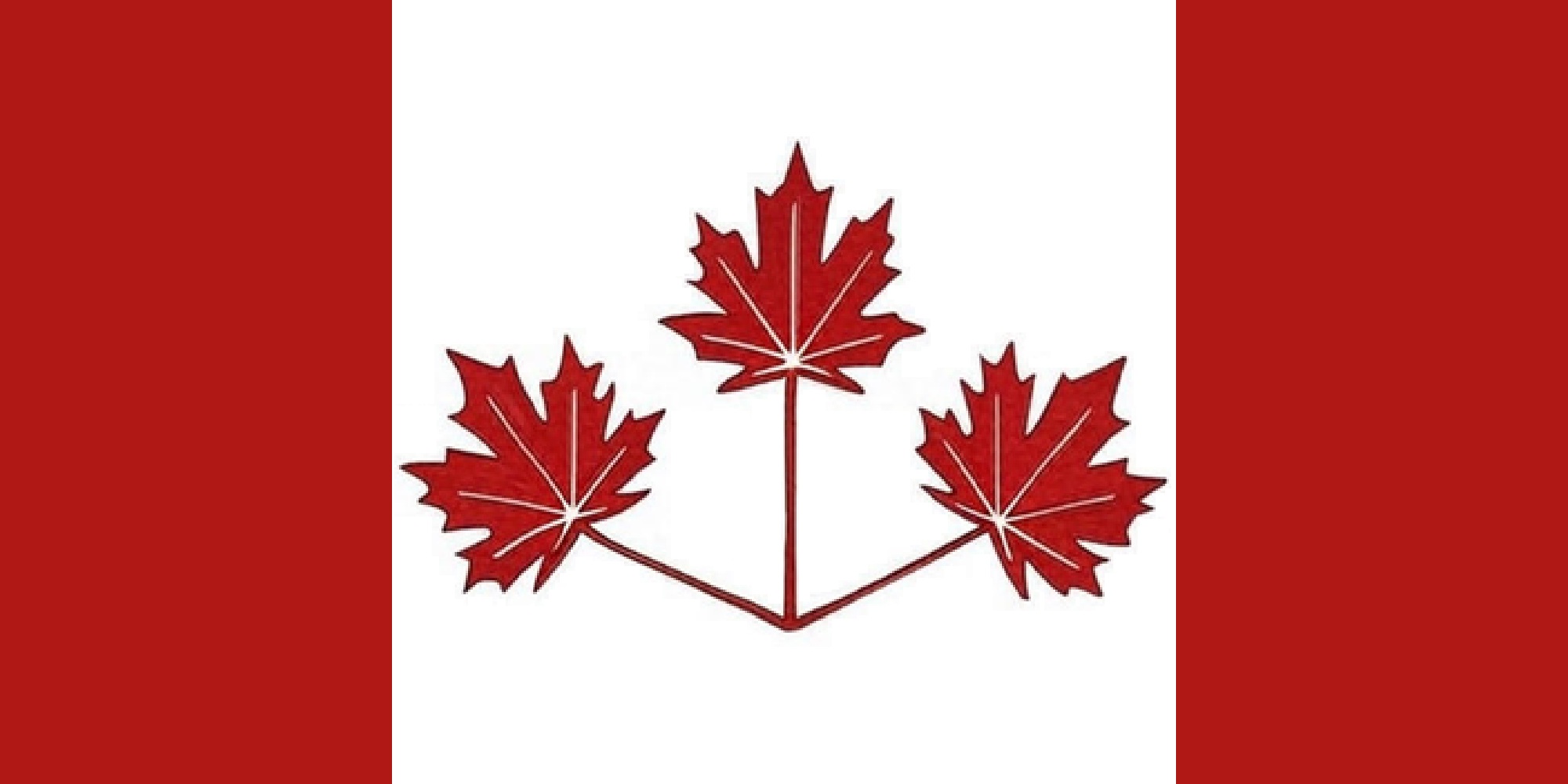
Article 29: Territorial Integrity and Provincial Relations
1.     The territory of the Dominion of Canada is one and indivisible. No province, territory, municipality, or other subdivision may ever secede, separate, or withdraw from the Dominion under any circumstances or pretext whatsoever. Any act or declaration aiming at secession is null, void, and constitutes high treason.

2.     The external boundaries of the Dominion as they exist on the date of ratification are permanent and inalienable. No treaty, referendum, legislative act, or judicial decision may ever cede, transfer, or diminish Canadian sovereignty over any land, water, ice, or subsoil territory, including the Arctic waters, continental shelf, and exclusive economic zone north of the 60th parallel.

3.     The existing ten provinces and three territories are recognised in their historic boundaries as they stood on 31 December 2025. These boundaries may be altered only for the purpose of merger or consensual realignment, and only by simultaneous referenda in every affected province or territory requiring a two-thirds majority in each jurisdiction and final ratification by a two-thirds vote of the House of the Dominion.

4.     No new province may be created by division of an existing province unless approved by a two-thirds majority in a binding referendum of the citizens residing in the proposed new province and by a two-thirds majority of the House of the Dominion. No province may be abolished or merged against the expressed will of its own citizens as declared in a referendum requiring a two-thirds majority.

5.     Every province shall guarantee unrestricted physical and legal access to inter-provincial and international trade routes for the citizens and enterprises of every other province, including but not limited to port facilities, rail corridors, highways, airspace, pipelines, power transmission lines, and telecommunications infrastructure. No province may impose tariffs, blockades, discriminatory fees, or regulatory barriers on goods, services, energy, or persons in transit to or from another province.

6.     Citizens of the Dominion enjoy the unqualified right of free movement and establishment throughout the entire territory of the Dominion. No province may restrict or condition the right of any citizen to reside, work, own property, or operate a business within its jurisdiction except for reasonable, non-discriminatory measures expressly authorised by the cultural-preservation measures of Article 10 to preserve, for example, the predominant use of French in Quebec or English in the rest of Canada. Such measures shall not be construed as violations of this section.

7.     The Arctic Ocean waters, seabed, and subsoil north of the mainland provinces and territories, together with the islands therein, are declared the permanent and indivisible patrimony of the whole Canadian people. Exclusive sovereignty and resource rights over the entire Arctic domain are vested irrevocably in the national government. Provinces and territories bordering the Arctic possess administrative jurisdiction only to the extent delegated by national law and may never assert separate international claims.

8.     No province may enter into any treaty, compact, or agreement with a foreign power or international organisation without the prior consent of the House of the Dominion by a two-thirds vote. Any such unauthorised agreement is void and its authors guilty of high treason.

9.     In the event that any province persistently refuses to comply with a clear obligation imposed by this Constitution, the House of the Dominion may, by a three-quarters vote after public inquiry, suspend the offending province’s legislative powers for a period not exceeding five years and place its administration under temporary national trusteeship until compliance is restored.

10.     The Dominion guarantees the equal dignity and historic identity of each province while subordinating all provincial powers to the indissoluble unity and continued existence of the Canadian nation.
Précis
Article 29 upholds the indivisible territorial integrity of the nation, ensuring that the land conquered and developed by European settlers remains a unified patrimony for their descendants, drawing from the historical European principles of sovereign unity as seen in the Roman Empire’s emphasis on indivisible res publica and the Holy Roman Empire’s federal balances. This provision is vital as it secures the freedom of a cohesive national identity against fragmentation, preventing the dissolution of borders that could invite foreign encroachment or internal discord in an age of global migration pressures and resource contests, particularly over the Arctic’s strategic waters and minerals. By prohibiting secession, boundary cessions, or unauthorized provincial treaties, it averts crimes such as high treason through separatist movements or the erosion of sovereignty via supranational agreements, safeguarding the meritocratic system’s ability to allocate resources efficiently across provinces without the inefficiencies of balkanized governance. In a technologically advanced era where satellite surveillance and cyber threats could exploit divisions, this article protects posterity’s right to inherit an unbroken homeland.
This article also promotes inter-provincial harmony and economic liberty by guaranteeing free movement, trade, and access to infrastructure, reflecting the European heritage of open internal markets as in the Hanseatic League, while respecting linguistic and cultural preservations like French in Quebec. It secures freedoms by eliminating barriers to opportunity, allowing citizens to pursue merit-based endeavors anywhere in the Dominion without discriminatory fees or blockades, thus preventing the crimes of economic sabotage or provincial favoritism that could stifle innovation and national solidarity. The mechanisms for boundary adjustments or new provinces via supermajority referenda ensure democratic meritocracy, where changes must demonstrate broad consensus and benefit the whole, thwarting manipulative divisions that might arise from demographic shifts or external influences. By vesting Arctic sovereignty irrevocably in the national government, it counters modern geopolitical risks, such as climate-driven territorial claims, ensuring that the Dominion’s vast northern domain supports sustainable development for all citizens rather than fragmented exploitation.
Article 29 enhances the human experience of freedom by embedding territorial permanence into the constitutional framework, shielding future generations from the tyrannies of disunity and loss that have afflicted nations amid rapid technological and environmental changes. It prevents genocidal acts through territorial dilution by maintaining a singular, sovereign entity rooted in European founding principles, where provincial identities enrich rather than undermine the meritocratic whole. In doing so, it fosters a republic where security and prosperity are intertwined, allowing citizens to build upon their ancestors’ legacy without the specter of fragmentation or foreign domination.